

23 October 2021

22 October 2021
A Brief History Of The Charity Shop
Charity Shops (aka Thrift Shops) started as something quite different to what we know today.
Fundraising shops started in 1870 with a shop that sold flowers to support a mission in East London. This was the beginning of the charity shop.
In 1899, The Wolverhampton Society For The Blind set up shop to sell goods made by blind people to raise money for the society.
The Salvation Army also started running second hand shops in the 19th century. This meant the poor in the cities could get affordable clothing.
The second world war was what made the charity shop go nationwide. Charities such as the British Red Cross, operated charity shops as a way to raise money for the war effort and to relieve the inevitable hardship caused by war. More and more charities started selling second hand clothes.
Then in 1947, Oxfam opened the first modern charity shop, accepting donations of clothes, books etc. And, the rest is history.
 |
| By Redrose64 - Own work, CC BY-SA 3.0, https://commons.wikimedia.org/w/index.php?curid=18505257 |
05 October 2021
Why we need men to help overcome violence against women
Calling all men
We need everyones help to overcome violence against women. The men that verbally or physically attack women will not listen to a female voice. It's like talking to a brick wall. That's why we need men to help. We need men to hold others accountable for their actions. We need men to share the newspaper articles, to share the social media posts. We know most men are not violent, we know most men aren't abusive. We need men to help other men see that this behaviour is not ok.
This isn't a solution, but it's a start. Teach your sons, brothers, fathers, cousins, friends to treat women as human beings. We're not asking to be treated as princesses, just as an equal.

01 October 2021
The Winter Queen
Elizabeth Stuart, aka Queen of Bohemia, The Winter Queen.
Born 19th August 1596 to James I of England (James VI of Scotland), Elizabeth is a queen that history has forgotten.
Growing up in Scotland, Elizabeth was destined to be a powerful force for the Protestant cause in Europe in her later life.
Elizabeth had a pretty standard upbringing, for a princess. Her father being the target of the Gunpowder Plot of 1605, when Elizabeth was just 9 years old. Her education consisted of geography, natural history, languages, theology, writing, music and dancing. The only thing missing was Latin, as her father believed that “Latin had the unfortunate effect of making women more cunning”. Her father, James I, was responsible for the Witchcraft Act of 1604. Just saying.
Elizabeth became fluent in many languages, including French, which would become useful in later life, as this is how she would talk to her future husband.
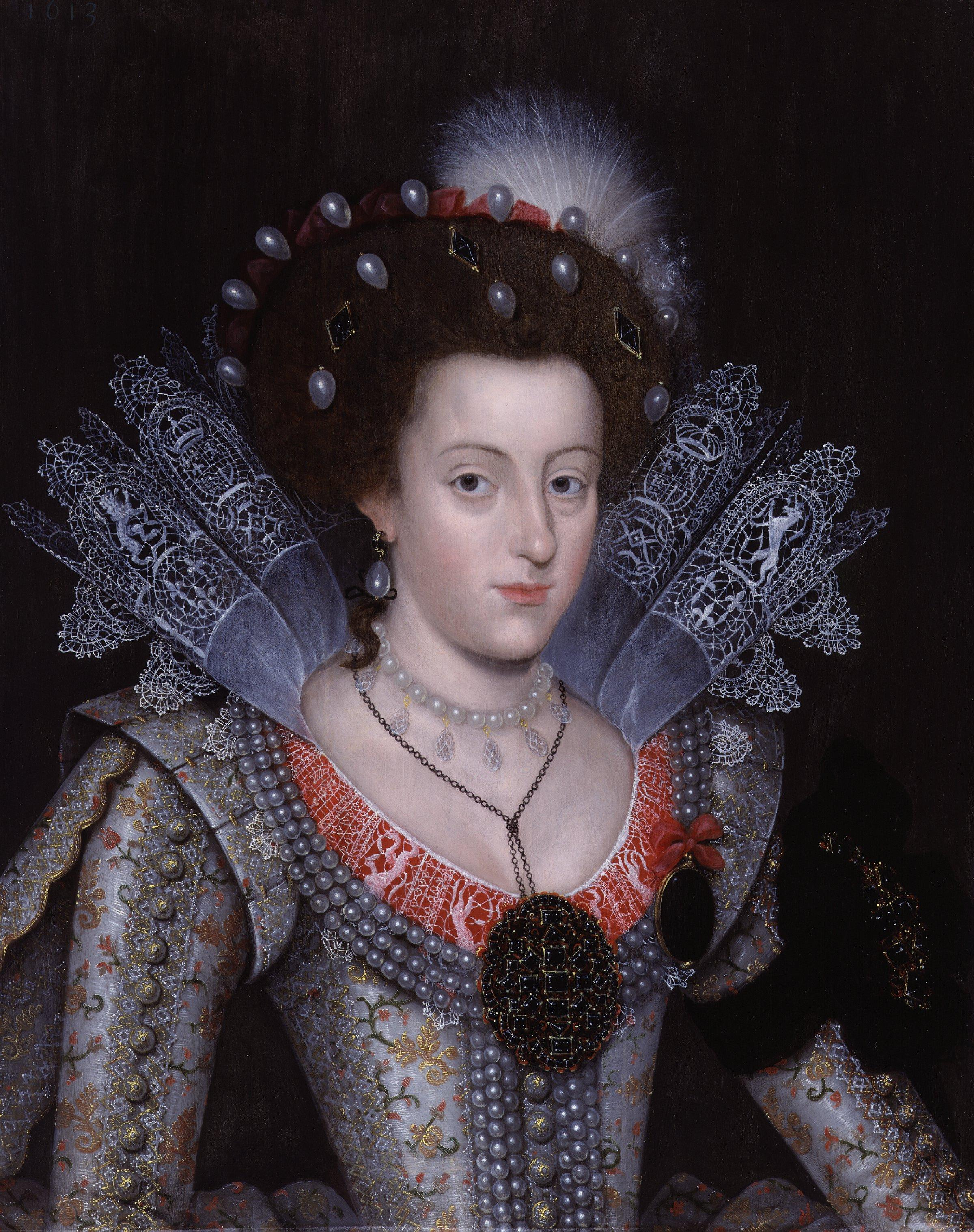
Both were exiled in 1620, retreating to Germany from Prague. Elizabeth and Frederick were not idle whilst in Berlin, producing 8 children, which made the grand total of 13 children during their marriage. No TV back then.
Frederick died in 1632, Elizabeth living on for another 30 years, in mourning. Her rooms were draped in back until the day she died. During the Thirty Years War, Elizabeth was a staunch supporter for the Protestant cause in Europe, inspiring both poets and statesmen as well as becoming a patron of the arts. Elizabeth also managed to secure her son, Charles Louis, as The Electorate of the Palatinate, as was his right as Frederick's heir.
In 1660, things had calmed down in England and Scotland (long story) and Elizabeth returned to England in 1661. She set up house in Westminster, where she would spend her final days. Elizabeth died 13th February 1662 aged 66.
Elizabeth’s youngest daughter, Sophia, later Sophia of Hanover, gave birth to a son who would become George I, King of Great Britain and Ireland. Our reigning Queen Elizabeth II can be traced back to Elizabeth Stuart, Queen of Bohemia.
Subscribe to:
Posts (Atom)